


How to Effectively Choose the Right West Palm Beach Pest Control Company for Your Needs
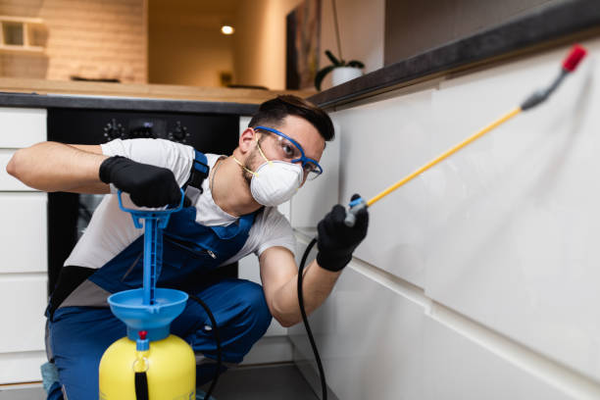
When faced with a pest infestation, choosing the right pest control company can make a significant difference in resolving the issue effectively and safely. With many companies offering similar services, it’s essential to evaluate your options carefully. This guide provides practical steps and key considerations to help you select a pest control provider tailored to your needs.
Assess Your Specific Needs
-
Type of Pests: Are you dealing with termites, rodents, ants, bed bugs, or another type of infestation?
-
Severity of Infestation: Is this an isolated incident, recurring issue, or large-scale infestation?
-
Property Type: Pest control needs vary between residential homes and commercial spaces like offices or warehouses.
Having this information ready will allow you to narrow down your options and focus on providers who specialize in addressing your specific concerns.
Research Local Companies
-
Seek Recommendations: Ask friends, family, or neighbors for referrals based on their experiences.
-
Read Reviews: Check online reviews from credible sources such as Google Reviews or Better Business Bureau (BBB). Pay attention to patterns in feedback rather than isolated comments.
-
Verify Credentials: Ensure that the company is licensed and adheres to local regulations for safe pest control practices.
Compare Service Offerings
-
Look for environmentally friendly solutions if sustainability is a priority for you.
-
Confirm whether they provide one-time treatments or ongoing maintenance plans.
-
Determine whether their services include preventative measures against future infestations.
Evaluate Costs and Contracts
-
Request detailed quotes from at least three providers for comparable services.
-
Check if there are hidden fees (e.g., inspection charges or follow-up visits).
-
Be cautious about long-term contracts; ensure you're not locked into unnecessary commitments without flexibility.
Questions to Ask Potential Providers
-
Are your technicians licensed and certified?
-
What types of treatments do you recommend for my specific pest problem?
-
Do you offer any guarantees or warranties on your services?
-
Are your products safe for children, pets, and plants?
-
How do you handle follow-up visits if pests return after treatment?
Their responses can reveal professionalism and transparency while helping build trust.
Selecting the right pest control company requires careful consideration of both their expertise and customer service approach. By identifying your needs, conducting thorough research, comparing options thoughtfully, evaluating budgetary factors comprehensively, and asking relevant questions upfront—you can ensure a successful partnership that effectively resolves your pest issues while providing peace of mind over time.
The Ultimate Guide to Selecting a Reliable West Palm Beach FL Exterminator
When it comes to pest control, finding a reliable service provider is crucial to ensure long-term and effective results. Choosing the wrong company can lead to recurring infestations, wasted money, and potential harm to your property or health. Below is a comprehensive guide designed to help you make informed decisions when selecting a pest control service.
Essential Tips to Research Pest Removal West Palm Beach FL Professionals
-
Licenses and Certifications: Ensure the company holds valid licenses required by your state or region. Certified technicians indicate they have undergone proper training and adhere to industry standards.
-
Insurance Coverage: A reliable pest control service should carry liability insurance in case of accidents during treatment.
-
Affiliations: Membership in professional organizations like the National Pest Management Association (NPMA) reflects a commitment to quality services and ethical practices.
Assess Their Experience
-
Years in Business: Companies with an extensive track record are more likely to have handled various pest issues successfully.
-
Specialization: Ask if they specialize in controlling specific pests like termites, rodents, or bed bugs that are relevant to your needs.
-
Knowledgeable Staff: Technicians should be able to explain their methods clearly, answer questions about safety measures, and provide advice on preventing future infestations.
Evaluate Customer Reviews and References
-
Read online reviews on platforms like Google Reviews or Yelp for insights into customer experiences.
-
Ask the company for references from past clients who had similar pest problems.
-
Avoid companies with consistent complaints about poor results or unprofessional behavior.
Understand Pricing Transparency
-
Request written estimates from multiple companies.
-
Ensure quotes include detailed descriptions of services provided.
-
Be cautious of exceptionally low prices—they may indicate substandard materials or inexperienced technicians.
Questions To Ask During Consultation
-
What safety precautions do you take during treatments?
-
Can you provide proof of insurance and licensing?
-
Do you offer any guarantees or warranties for your services?
-
How do you determine which treatment method will work best for my situation?
-
Are follow-up visits included in your pricing structure?
Selecting a reliable pest control service requires due diligence but ensures peace of mind while protecting your property from harmful pests efficiently over time. By following these steps and recommendations carefully, you'll be better equipped to choose a trustworthy provider for all your pest management needs.
Key Factors to Consider When Hiring a Professional Pest Control Provider
Hiring a professional pest control provider is an important decision that directly impacts the health, safety, and comfort of your property. To make the best choice, it’s essential to evaluate several key factors. Below is a guide to help you determine what to look for in a pest control provider.
1. Licensing and Certification
Ensure that the pest control company holds appropriate licenses and certifications required by your state or country. These credentials demonstrate adherence to industry standards and regulations.
-
Verify their license number via local regulatory authorities.
-
Confirm that technicians are certified and trained in using pesticides responsibly.
-
Look for memberships in organizations such as the National Pest Management Association (NPMA).
2. Experience and Expertise
Choosing an experienced provider ensures you work with professionals who are familiar with a variety of pests and effective treatment methods.
-
Ask how many years they have been in business.
-
Inquire about their experience handling specific pests relevant to your situation (e.g., termites, bed bugs, rodents).
-
Look for specialized skills such as eco-friendly pest control methods if sustainability is important to you.
3. Range of Services Offered
A reliable pest control company will offer comprehensive services tailored to your needs. Evaluate whether they offer both one-time treatments and ongoing maintenance plans.
4. Reputation and Reviews
-
Online Reviews: Check platforms like Google Reviews or Yelp for genuine customer experiences.
-
References: Request referrals from friends, family, or colleagues who have used their services.
-
Accolades: Awards or recognitions can also indicate industry expertise and reliability.
5. Safety Measures
-
Ensure products used are approved by relevant regulatory bodies (e.g., EPA).
-
Ask about precautions taken during application to protect children, pets, and plants.
Some providers may also offer greener options such as organic sprays or traps.
6. Pricing Transparency
What to check:
- Does the company provide free inspections?
- Is there a detailed written estimate outlining all charges?
Be cautious of prices that seem too good to be true—they may indicate subpar services or hidden fees.
7. Guarantees and Customer Support
-
Ask if they offer follow-up visits at no additional cost should pests return within a specific period.
-
Evaluate their customer support responsiveness—are they available via phone/email for questions?
By carefully considering these factors before hiring a professional pest control provider, you can ensure that you select a reliable partner who can meet your needs effectively while maintaining safety standards within your home or business environment.
Essential Tips for Effective Pest Control West Palm Beach FL Services for Your Home or Business
When dealing with pest problems, selecting the right pest control company is crucial. Making the wrong choice can lead to ineffective treatments, wasted money, and recurring infestations. Below are practical tips to help you identify and hire the most suitable pest control service for your home or business.
Research Local Companies
-
Start with Recommendations: Ask friends, family, or neighbors about their experiences with local pest control companies. Word-of-mouth recommendations often point to reliable providers.
-
Read Online Reviews: Platforms like Google Reviews, Yelp, and the Better Business Bureau (BBB) can provide insights into customer satisfaction and any reported issues.
-
Check Licensing and Certification: Verify that the company is licensed to operate in your area and employs certified technicians trained in modern pest management techniques.
Verify Experience and Expertise
-
Ask About Specializations: Some providers focus on rodents, while others may be experts in termite control or bed bug infestations.
-
Review Industry Experience: Look for a company with a proven track record of handling similar pest issues.
-
Inquire About Methods Used: Choose a provider that uses Integrated Pest Management (IPM) principles, which emphasize long-term prevention and environmentally friendly methods in addition to treatments.
Ensure Transparency
-
Thorough Inspections: The company should inspect your property thoroughly before providing recommendations.
-
Detailed Estimates: Look for itemized pricing that explains what services will be performed.
-
Clear Guarantees: Check if they offer service guarantees or free follow-ups within a specified period if pests return.
Compare Costs Without Compromising Quality
-
Avoid companies offering extremely low quotes—they may cut corners or use subpar materials.
-
Request quotes from at least three providers to compare services offered alongside their costs.
-
Consider long-term savings; higher upfront fees may result in better results over time.
Additional Considerations
-
Ask About Safety Practices: Ensure child-safe and pet-friendly products are available if needed.
-
Check Insurance Coverage: Confirm that the company holds liability insurance to cover potential damages during service delivery.
-
Evaluate Customer Support: A responsive customer service team is vital for addressing follow-up concerns or scheduling adjustments promptly.
By following these tips carefully, you can select a professional pest control provider aligned with your needs while ensuring effective results that protect your property from current and future infestations.
Essential Questions to Ask Before Choosing a Pest Control Service
Selecting the right pest control service is an important decision, whether you're dealing with termites, rodents, or other pests. Ensuring you partner with a reliable provider can save you time, money, and stress. Asking the right questions before hiring a pest control service helps you determine their expertise, approach, and reliability. Below are key questions to guide your selection process.
1. Is the Company Licensed and Insured?
Before working with any pest control provider, verify their credentials. Licensing ensures that the company complies with local regulations and industry standards.
-
Why It Matters: A licensed company employs trained professionals who adhere to safety measures.
-
Can you provide proof of your license?
-
Are your technicians certified under state or national programs?
-
Do you carry liability insurance in case of property damage?
2. What Pest Control Methods Do You Use?
Understanding the techniques and products used by a pest control service is essential to ensure they align with your preferences.
-
Does the company offer eco-friendly or non-toxic options?
-
Are their methods safe for children and pets?
-
Are your treatments chemical-based or organic?
-
How do you minimize environmental risks during treatments?
3. Do You Offer Customized Treatment Plans?
Pest infestations often vary by type and severity. A one-size-fits-all approach may not provide effective results.
-
Why Customization is Important: Tailored solutions address specific challenges unique to your property.
-
Will you inspect my property before recommending treatment?
-
Can plans be adjusted if pests persist after initial service?
4. What Experience Does Your Team Have?
Experience plays a major role in how well a company handles complex infestations.
-
How long has the company been in business?
-
Do they specialize in dealing with specific pests (e.g., termites or bed bugs)?
-
How many years of experience do your technicians have?
-
Have you handled cases similar to mine before?
5. Are There Any Guarantees on Your Services?
A dependable pest control company should stand by their work through warranties or guarantees.
-
Ensure guarantees cover repeat visits if pests return.
-
Clarify terms around refund policies where applicable.
-
What is included in your warranty?
-
How soon will technicians return if problems persist after treatment?
Final Considerations
Choosing the best pest control service requires thorough research and asking these essential questions ensures clarity about services offered. Take time reviewing past customer testimonials or ratings for added assurance about their reliability before making a decision.
How to Ensure You Partner with a Trusted and Experienced Pest Control Expert
When dealing with pest infestations, choosing the right pest control expert can be a critical decision. A trusted and experienced professional not only ensures effective treatment but also provides peace of mind. Here are key steps and considerations to ensure you partner with a reliable expert in pest control.
Verify Credentials and Certifications
-
Licensing: Verify that the company is licensed to operate in your area. This ensures they meet local regulations and standards.
-
Certifications: Certifications from organizations like the National Pest Management Association (NPMA) indicate professionalism and adherence to best practices.
-
Insurance: Ensure the company carries liability insurance to cover damages or accidents that may occur during service delivery.
Assess Experience Level
-
Ask how long they’ve been in business.
-
Inquire about their expertise with your specific type of pest problem.
-
Request examples of similar cases they’ve successfully handled.
Evaluate Their Methods and Products
-
Eco-Friendly Options: Check if they offer green or environmentally safe solutions, especially if you have pets or children at home.
-
Integrated Pest Management (IPM): Professionals using IPM focus on prevention, monitoring, and non-toxic methods before resorting to chemical treatments.
-
Transparency: A competent provider will explain their approach clearly without withholding any information.
Read Reviews and Request References
-
Check third-party review platforms like Google Reviews or Yelp for unbiased feedback.
-
Ask the pest control provider for references from previous clients.
-
Pay attention to patterns of complaints, such as unreliable scheduling or ineffective treatments.
Compare Pricing Without Compromising Quality
-
Request written estimates from at least three companies for comparison.
-
Make sure quotes include details on services offered, warranties, and follow-up visits.
-
Be cautious of unusually low prices—they might signal subpar methods or hidden fees.
Ask Critical Questions
-
What pests do you specialize in managing?
-
Are your technicians trained regularly?
-
What safety measures do you take during treatment?
-
Do you offer guarantees or warranties for your services?
By taking these steps—and focusing on professionalism, transparency, and proven experience—you can confidently choose a trusted pest control expert who meets your needs effectively while prioritizing safety and long-term results.